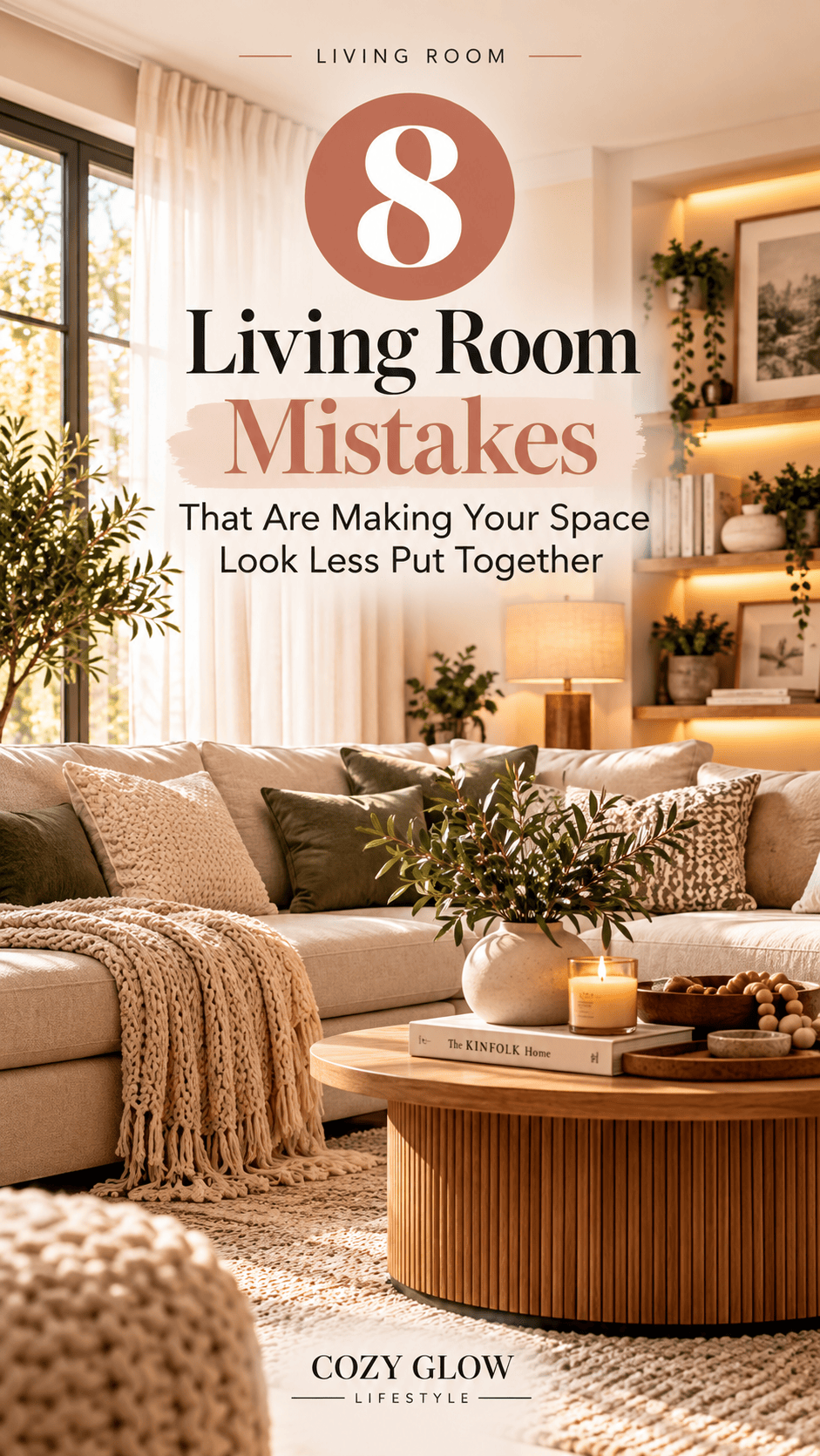
8 Living Room Mistakes That Are Making Your Space Look Less Put Together

Simple decorating fixes that can make your living room feel more polished, balanced, and effortlessly stylish.
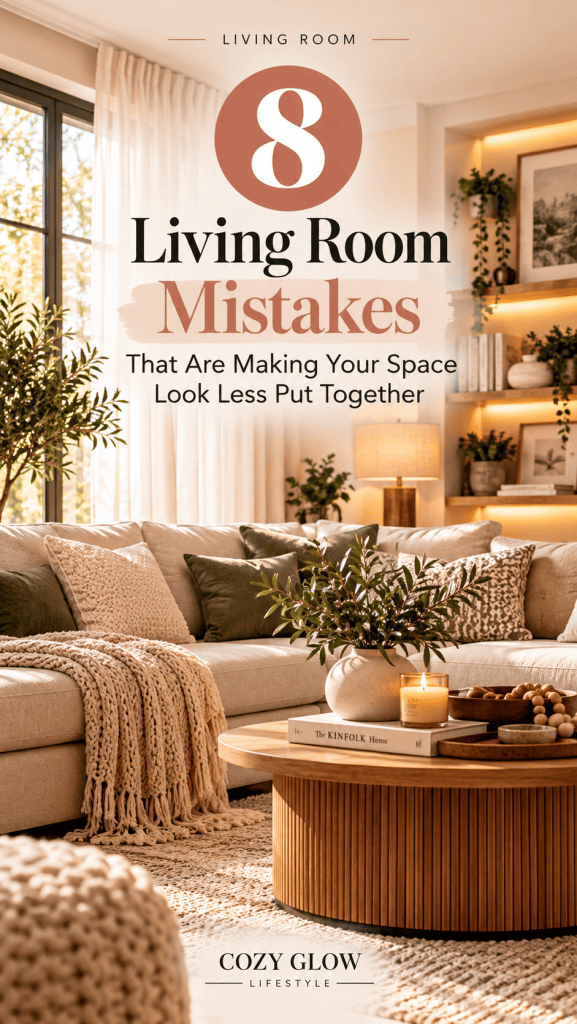
Have you ever looked around your living room and felt like something was missing, even though you have beautiful furniture and decorations?

Sometimes, the problem isn’t what you need to add. It’s a few small decorating mistakes that prevent your space from feeling cohesive and thoughtfully designed.

The good news? You don’t need an expensive renovation or a completely new furniture set to make a difference.

From choosing the wrong rug size to overlooking lighting and furniture placement, these common living room mistakes are surprisingly easy to fix.

Here are eight decorating mistakes that might be holding your living room back — and exactly what to do instead.

1. Choosing a Rug That’s Too Small

The Mistake

A beautiful rug can completely transform a living room, but choosing one that’s too small can make the entire seating area feel disconnected.

When a rug sits in the middle of the room without connecting to the furniture, it can make the space appear smaller and less balanced.

The Fix

Choose a rug that’s large enough to visually anchor your seating area.

Ideally, the front legs of your sofa and accent chairs should rest on the rug. In larger spaces, you may even be able to place all the furniture legs on it.

Before purchasing, use painter’s tape to mark the rug’s dimensions on your floor. This simple trick helps you visualize the size and avoid costly mistakes.

Cozy Glow Tip: A neutral or subtly patterned rug can bring warmth and texture to your living room while creating a cohesive foundation for your furniture.

2. Hanging Curtains Too Low or Too Short

The Mistake

Curtains hung directly above the window frame, or curtains that stop awkwardly above the floor, can make your windows appear smaller and your ceilings feel lower.

Even beautiful curtains can lose their impact when they’re not positioned correctly.

The Fix

Hang your curtain rod several inches above the window frame and extend it beyond the sides whenever possible.

This creates the illusion of taller windows and allows more natural light into the room when the curtains are open.

For an elegant finish, choose curtains that reach the floor or hover just above it.

Lightweight, sheer fabrics are especially beautiful in living rooms because they soften sunlight without making the space feel heavy.

Cozy Glow Find: Explore our favorite sheer window curtains in Shop Cozy Glow for a soft, airy look.

3. Relying on Only One Light Source

The Mistake

Using only a ceiling light can make your living room feel flat, overly bright, or uninviting.

Even a beautifully decorated room can lose its cozy atmosphere when the lighting is too harsh.

The Fix

Create layers of lighting instead of relying on a single fixture.

Combine different sources, such as:

● A floor lamp beside your sofa or reading chair.

● A table lamp for a soft, welcoming glow.

● Accent lighting to highlight shelves or decorative details.

● Warm, dimmable lighting to adjust the atmosphere throughout the day.

The goal is to create a balanced combination of functional and ambient lighting.

Cozy Glow Tip: Warm lighting can instantly make a living room feel more relaxing and inviting, especially in the evening.

4. Pushing Every Piece of Furniture Against the Walls

The Mistake

It’s tempting to push all your furniture against the walls to create more open floor space.

However, depending on the room’s layout, this can leave the center feeling empty and make the seating arrangement seem disconnected.

The Fix

Think about how people actually use the room.

Arrange your sofa and chairs to encourage comfortable conversation and create a clear focal point.

If space allows, try pulling your sofa slightly away from the wall or bringing accent chairs closer together.

You don’t need a large living room to create an intentional furniture arrangement.

Cozy Glow Tip: In smaller spaces, nesting tables or slim side tables can provide useful surfaces without overwhelming the room.

5. Overdecorating Every Surface

The Mistake

Coffee tables, shelves, and side tables filled with too many decorative objects can make your living room feel cluttered rather than stylish.

Even beautiful accessories can compete with one another when there’s no visual breathing room.

The Fix

Edit your accessories and create smaller, intentional arrangements.

For example, style your coffee table with a decorative tray, a candle, and a small vase or stack of books.

On shelves, combine objects of different heights while leaving some empty space between them.

Instead of displaying every decorative item you own, choose a few favorites that complement one another.

Cozy Glow Tip: Use decorative baskets to store blankets and everyday essentials while keeping your living room looking organized.

6. Ignoring Scale and Proportion

The Mistake

A tiny coffee table in front of an oversized sectional, a very small piece of artwork above a large sofa, or bulky furniture in a compact room can make the entire space feel unbalanced.

The individual pieces might be beautiful, but they don’t always work together.

The Fix

Pay attention to how furniture and accessories relate to one another.

Choose a coffee table that feels proportional to your seating arrangement, and select artwork that’s appropriately sized for the wall and furniture beneath it.

For artwork displayed above a sofa, a common design guideline is to aim for approximately two-thirds to three-quarters of the sofa’s width.

Before purchasing new furniture, measure your space and consider how each piece will interact with the others.

Cozy Glow Tip: A well-proportioned arrangement often feels more polished than a room filled with expensive but mismatched pieces.

7. Mixing Too Many Colors and Decorating Styles

The Mistake

Combining too many unrelated colors, patterns, furniture finishes, and decorating styles can make a living room feel visually chaotic.

While mixing styles can create a beautiful, collected look, it works best when there’s something connecting the different elements.

The Fix

Start with a cohesive color palette.

Choose two or three main colors and repeat them throughout the room in pillows, rugs, curtains, artwork, and decorative accessories.

You can absolutely mix modern, vintage, rustic, or contemporary pieces. Just look for common elements such as similar wood tones, complementary colors, or repeated textures.

For example, a cream sofa, warm wood furniture, soft olive accents, and black metal details can create a balanced and sophisticated combination.

Cozy Glow Tip: Consistency doesn’t mean everything has to match. The most inviting living rooms often combine different textures and styles while maintaining a unified look.

8. Forgetting the Finishing Touches

The Mistake

Sometimes a living room has all the essential furniture but still feels unfinished.

A sofa, coffee table, and television might make the space functional, but they don’t necessarily create a warm, welcoming atmosphere.

The Fix

Add the small details that bring personality and comfort into the room.

Consider:

● Soft throws and textured pillows.

● A beautiful plant or a vase of fresh flowers.

● A few meaningful books or decorative objects.

● Warm accent lighting.

● Artwork that reflects your personality.

● Natural textures such as wood, linen, and woven materials.

These finishing touches help transform a functional room into a space that feels thoughtfully designed and genuinely lived in.

Cozy Glow Tip: You don’t need to buy everything at once. Start with a few pieces you love and build your space gradually.

The Secret to a Beautiful Living Room Isn’t Spending More

A stylish, well-designed living room isn’t necessarily about expensive furniture, designer accessories, or following every decorating trend.

It’s about balance, proportion, thoughtful placement, and creating a space that feels comfortable and personal.

Sometimes, moving a lamp, adjusting your curtains, choosing the right rug, or removing a few unnecessary accessories can make a bigger difference than purchasing something new.

Take a look around your living room and identify one or two small changes you could make today.

You might be surprised by how much more polished and inviting your space can feel.

Ready to Refresh Your Living Room?

Looking for stylish lighting, cozy rugs, space-saving furniture, and decorative accessories to help bring your vision to life?

Explore our favorite finds in Shop Cozy Glow and discover simple ways to create a living room you’ll love coming home to.

SHOP OUR HOME & LIVING FINDS →

✨ Stay Inspired with Cozy Glow Lifestyle!

Love cozy interiors, beautiful home finds, and everyday lifestyle inspiration?

🤎 Follow us on Instagram @cozyglowlifestyle⁠ for decorating tips, fresh ideas, and inspiration to make every corner of your home feel special.

Let’s make life a little cozier, one detail at a time! ✨

Affiliate Disclosure: This article contains affiliate links. We may earn a commission from qualifying purchases made through our links, at no additional cost to you.
10 Cozy Living Room Ideas You’ll Want to Copy

There’s something special about a living room that instantly makes you want to sit down, get comfortable, and stay awhile.

The good news? Creating a cozy living room doesn’t require a complete makeover or an expensive renovation. Often, it’s the smaller details — warm lighting, soft textures, functional furniture, thoughtful storage, and a few personal touches — that completely change how a space feels.

Whether your living room is large, small, modern, traditional, or somewhere in between, these 10 cozy living room ideas can help you create a space that feels warm, stylish, and truly inviting.

1. Layer Your Lighting for a Warm Glow

Lighting is one of the easiest ways to completely change the atmosphere of a living room.

Instead of relying only on a bright overhead light, create layers of illumination throughout the room. Combine a floor lamp near your sofa or reading chair with table lamps and subtle accent lighting.

Warm-toned lighting can make a room feel softer and more relaxing, especially in the evening.

Cozy Glow Tip: Place smaller light sources at different heights around the room. This creates a softer, more dimensional look than using one strong light source.

2. Add a Small Table Where You Actually Need It

A cozy living room should be beautiful, but it also needs to work for everyday life.

Small side tables and nesting tables are perfect for keeping coffee, books, candles, or your favorite décor close by without taking up too much floor space.

Nesting tables are particularly useful because they can stay tucked together when you need more room and separate when you need additional surfaces.

For smaller living rooms, look for furniture that offers flexibility without making the room feel crowded.

3. Turn an Empty Corner Into Something Beautiful

That awkward empty corner in your living room may actually be one of the easiest places to add personality.

Corner shelves can transform unused wall space into a beautiful display area for books, framed photos, small plants, candles, or decorative objects.

The key is not to overcrowd them. Leave some breathing room between objects and mix different heights and textures for a more curated look.

This is especially useful in smaller spaces where floor space is limited but vertical space is available.

4. Hide Everyday Clutter in Decorative Storage

Nothing makes a room feel less relaxing than clutter — but that doesn’t mean everything has to disappear behind cabinet doors.

Decorative storage baskets are one of our favorite ways to combine organization with style.

Use a woven basket to store extra blankets, pillows, magazines, toys, or everyday items you want nearby but don’t necessarily want on display.

Natural woven textures also introduce warmth and contrast beautifully with upholstered furniture, wood, and neutral color palettes.

Cozy Glow Tip: Choose storage pieces that look intentional enough to become part of the décor.

5. Soften the Room With Sheer Curtains

Window treatments can completely change the mood of a room.

Sheer curtains allow natural light to filter through while creating a softer, more relaxed atmosphere. They can also make windows appear larger and help a living room feel brighter and more airy.

For an elegant look, hang your curtain rod slightly higher than the window frame and allow the curtains to fall close to the floor.

Neutral shades such as ivory, cream, beige, and warm white work especially well when you’re trying to create a timeless cozy aesthetic.

6. Create a Cozy Reading Corner

You don’t need an entire room to create your own little reading retreat.

An unused corner can become one of the coziest areas of your living room with just a few elements: a comfortable chair, a soft throw, a small table, and good lighting.

Add a floor lamp beside the chair and keep a small table nearby for books, coffee, or tea.

The goal isn’t perfection. It’s creating a small area that makes you genuinely want to slow down and use it.

7. Keep Everyday Essentials Within Reach

Functional furniture can make a living room feel more comfortable without sacrificing style.

A slim C-shaped side table, for example, can slide close to a sofa or chair and provide an easy place for a laptop, drink, book, or snack.

It’s particularly useful in apartments and smaller living rooms where a traditional side table might take up too much room.

Pieces like this work because they solve an everyday problem while still contributing to the overall design.

8. Layer Different Textures

If a neutral living room feels flat, you probably don’t need more color — you may simply need more texture.

Try combining several materials throughout the room:

A chunky knit throw, linen or textured pillows, a soft area rug, sheer curtains, natural wood, woven baskets, and upholstered furniture can all coexist beautifully.

The variation in texture creates visual depth while allowing you to maintain a calm, cohesive color palette.

This is one of the easiest ways to make a simple room look more thoughtfully designed.

9. Bring a Little Nature Inside

Plants and natural materials instantly make a room feel more relaxed and lived-in.

You don’t need to turn your living room into an indoor garden. Even one larger plant beside a window or a small arrangement of greenery on a table can make a noticeable difference.

You can also introduce nature through wooden furniture, woven baskets, botanical artwork, dried branches, or fresh flowers.

These organic elements help soften harder surfaces and make the room feel more welcoming.

10. Finish With the Details That Make It Yours

The coziest living rooms rarely look like untouched showrooms.

They have personality.

Add a few meaningful objects: favorite books, framed photographs, artwork, candles, decorative trays, travel finds, or pieces you’ve collected over time.

The goal isn’t to fill every available surface. Instead, choose a smaller number of items that make the space feel like your home.

A beautifully styled living room can still feel relaxed, personal, and lived-in.

Final Thoughts

Creating a cozy living room isn’t about following one specific decorating style.

It’s about creating a space that feels comfortable, functional, and welcoming to you.

Start with what you already have. Improve the lighting. Introduce softer textures. Organize clutter. Make better use of empty corners. Add a few functional pieces where you actually need them.

You don’t have to change everything at once.

Sometimes one small upgrade is enough to make your living room feel completely different.

Love These Cozy Living Room Ideas?

We’ve collected some of our favorite lighting, tables, storage solutions, décor, and space-saving finds to help you bring these ideas into your own home.

Affiliate Disclosure: This article contains affiliate links. If you make a purchase through one of our links, we may earn a commission at no additional cost to you.

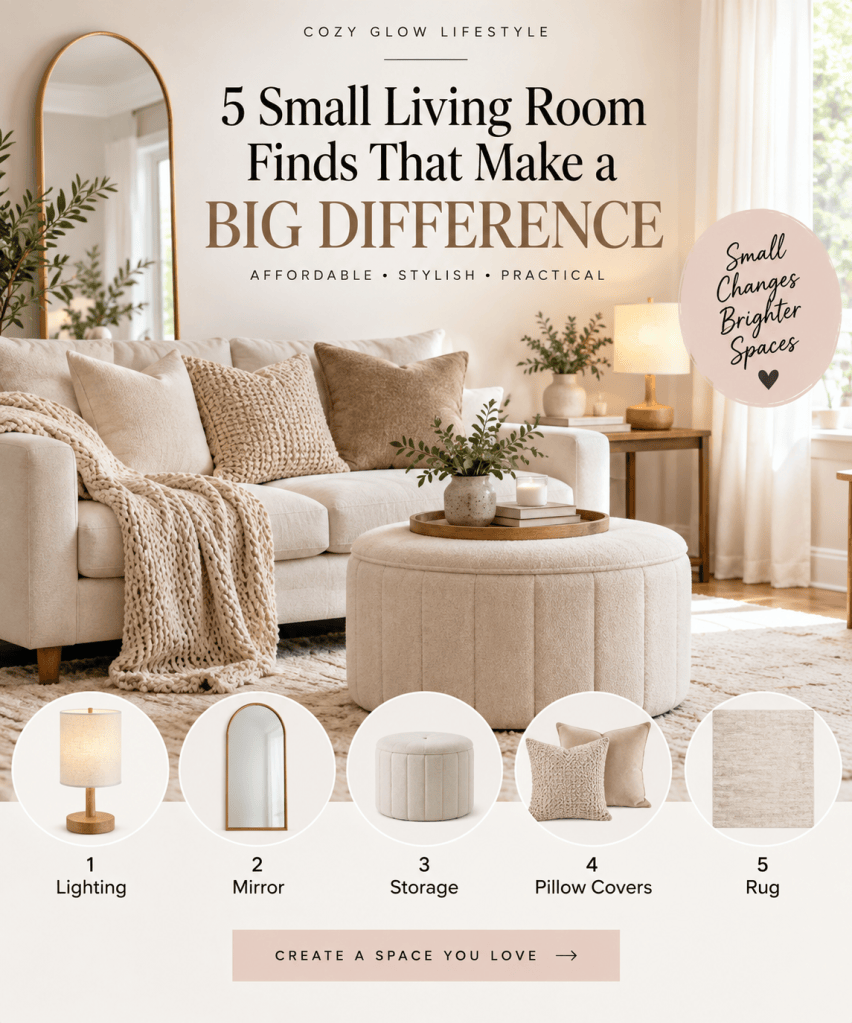
5 Small Living Room Finds That Make a BIG Difference

You don’t need a complete makeover to transform a small living room.

Sometimes, a few thoughtful changes can make your space feel brighter, more polished, and much more intentional — without spending a fortune or replacing everything you already own.

If your living room feels a little cramped, unfinished, or simply needs a refresh, these five finds can make a surprisingly big difference.

This post contains affiliate links. If you purchase through one of these links, Cozy Glow Lifestyle may earn a commission at no additional cost to you.

1. Add Warmth With a Cozy Table Lamp

Lighting can completely change the atmosphere of a room.

Instead of relying only on overhead lighting, adding a small table lamp creates a softer, warmer glow and makes your living room instantly feel more inviting.

This Nordic-inspired lamp combines a warm fabric shade with a wooden base, making it especially easy to style with neutral and cozy interiors. Place it on a side table, console, or small corner that could use a little extra warmth.

Cozy Glow Tip: Use warm lighting in different areas of the room rather than one strong central light. It can make even a small space feel more layered and relaxing.

Shop the lamp on SHEIN⁠

2. Use a Mirror to Make the Room Feel Bigger

This is one of the easiest small-space tricks.

A large mirror reflects both natural and artificial light while adding visual depth, which can help a compact living room feel brighter and more open.

The arched gold frame also adds an elegant detail without introducing another bulky piece of furniture.

Try positioning it where it can reflect a window or another attractive part of your room.

Cozy Glow Tip: A floor-length mirror leaning against a wall can create a relaxed designer look while drawing the eye vertically.

Shop the arched mirror on SHEIN⁠

3. Choose Furniture That Does More Than One Job

In a small living room, every piece of furniture has to earn its space.

That’s why multifunctional pieces are so useful.

A storage ottoman gives you an extra place to sit or put your feet up while also providing hidden storage for blankets, pillows, magazines, or anything else you don’t want creating visual clutter.

The soft cream color also keeps the room feeling light instead of visually heavy.

Cozy Glow Tip: When choosing larger pieces for small spaces, lighter neutral colors can help maintain an airy, cohesive look.

Shop the storage ottoman on SHEIN⁠

4. Upgrade Your Sofa With Texture

You definitely don’t need a new sofa to give your living room a new look.

Changing your pillow covers is one of the easiest — and most affordable — ways to refresh the entire space.

Instead of using several bold patterns, try combining neutral shades with different textures. The result feels layered and interesting without making a small room look too busy.

This set of four gives you an easy starting point for creating that cozy, elevated look.

Cozy Glow Tip: Mix two or three complementary textures while keeping the color palette relatively consistent. It’s a simple way to make an inexpensive sofa look much more styled.

Shop the pillow covers on SHEIN⁠

5. Anchor the Room With the Right Rug

A rug can make a living room feel finished almost instantly.

In a small space, it also helps visually define the seating area and makes separate pieces of furniture feel like one cohesive arrangement.

A neutral rug is especially versatile because it adds softness and texture without overwhelming the room.

Cozy Glow Tip: Don’t automatically choose the smallest rug because your living room is small. A rug that’s too tiny can actually make the seating area feel more cramped. Whenever possible, choose a size that allows at least the front legs of your main seating pieces to sit on the rug.

Shop the washable rug on SHEIN⁠

Small Changes, Big Difference

Creating a beautiful small living room isn’t about filling it with more things.

It’s about choosing pieces that add light, texture, function, and visual balance.

A warmer lamp, a strategically placed mirror, hidden storage, fresh pillow covers, and the right rug can completely change how your living room looks and feels — without a full renovation.

Which of these five upgrades would make the biggest difference in your living room?

Follow Cozy Glow Lifestyle on Instagram for more affordable finds, styling ideas, and simple ways to make your home feel beautifully put together.

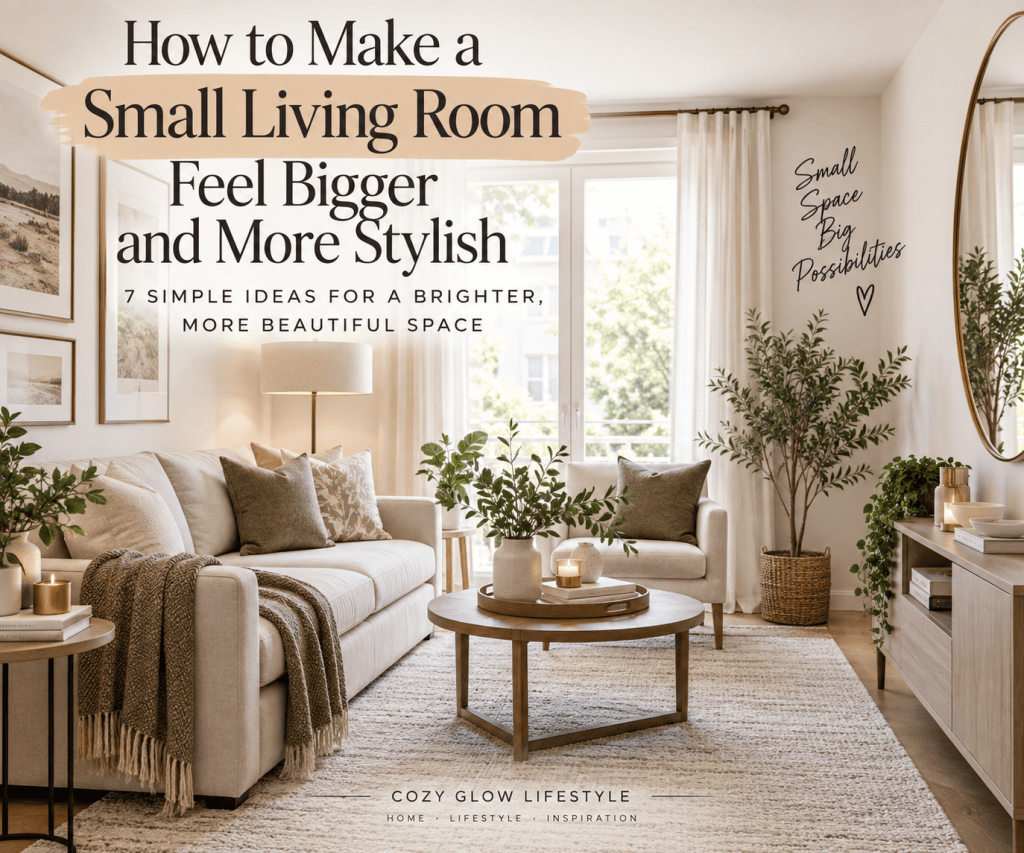
How to Make a Small Living Room Feel Bigger and More Stylish

A small living room doesn’t have to feel cramped or limiting. With the right decorating choices, even a compact space can feel open, comfortable, and beautifully put together.

The secret isn’t necessarily having less — it’s being more intentional about color, scale, lighting, furniture placement, and the way you use the space you already have.

Whether you’re decorating a small apartment, working with an awkward layout, or simply trying to make your living room feel more spacious, these simple ideas can make a surprisingly big difference.

Here are 7 easy ways to make a small living room feel bigger while still keeping it cozy and stylish.

1. Choose a Light, Cohesive Color Palette

One of the easiest ways to make a small living room feel more spacious is to create a sense of visual continuity.

Light neutrals, soft warm tones, muted pastels, and natural shades can help reflect light and make the room feel brighter and more open.

But that doesn’t mean everything has to be white.

Try choosing a simple palette of two or three complementary colors and repeating them throughout the room in your walls, textiles, furniture, and accessories.

When too many contrasting colors compete for attention, a small room can start to feel visually busy. A cohesive palette creates a calmer, more polished look — and helps the eye move naturally through the space.

Cozy tip: Add warmth through texture instead of adding lots of different colors. Think woven baskets, linen curtains, soft throws, wood accents, and textured pillows.

2. Use Mirrors Strategically

Mirrors are one of the oldest small-space decorating tricks — and for good reason.

A well-placed mirror can reflect both natural and artificial light, helping a small living room feel brighter and more expansive.

Try positioning a large mirror across from or near a window so it can reflect some of the natural light coming into the room.

You can also use a statement mirror above a console, fireplace, or sofa to create a stronger focal point.

And when possible, go bigger rather than using several tiny mirrors. One substantial mirror often creates a cleaner, more intentional look while giving the illusion of greater depth.

3. Choose Furniture With a Lighter Visual Weight

When space is limited, the visual weight of your furniture matters almost as much as its actual size.

Bulky pieces that sit directly on the floor can make a small room feel heavier and more crowded.

Instead, look for furniture with clean lines, slimmer profiles, and visible legs.

A sofa raised slightly off the floor, an accent chair with narrow legs, or a coffee table with an open base allows more of the floor to remain visible. That extra visual space can make the entire room feel lighter.

Scale matters too.

Oversized furniture isn’t automatically wrong for a small room, but every piece should earn its place. A comfortable sofa paired with a couple of lighter pieces will often work better than trying to squeeze several small pieces of furniture into the same space.

4. Hang Your Curtains Higher and Wider

Curtains can completely change the way we perceive the proportions of a room.

Instead of placing your curtain rod directly above the window frame, hang it closer to the ceiling and extend it beyond the sides of the window.

This simple trick draws the eye upward and can make both the windows and ceiling appear taller.

Allowing the curtains to sit outside the window when they’re open also exposes more glass, which means more natural light can enter the room.

For an airy look, choose curtains that reach the floor and fabrics that don’t feel overly heavy.

It’s a small decorating adjustment that can make the architecture of the room feel noticeably more generous.

5. Make Use of Vertical Space

When you don’t have much floor space, look up.

Vertical decorating draws the eye upward and helps emphasize the full height of the room rather than its limited square footage.

Tall bookcases, floating shelves, vertical artwork, and floor lamps are all great ways to use this often-overlooked space.

You can also hang artwork slightly higher or create a gallery arrangement that moves upward rather than spreading too widely across the wall.

The goal isn’t to fill every inch. It’s to create intentional vertical lines that make the room feel taller and more dynamic.

Just remember to leave some negative space. Empty areas give the eye somewhere to rest and keep a small room from feeling cluttered.

6. Choose the Right Rug Size

One of the most common decorating mistakes in a small living room is choosing a rug that’s too small.

It might seem logical that a small room needs a small rug, but an undersized rug can actually make the space feel even smaller by visually dividing the floor into separate sections.

Instead, choose a rug large enough to connect your main furniture pieces.

Ideally, at least the front legs of your sofa and chairs should sit on the rug. This creates one cohesive conversation area and makes the overall layout feel more intentional.

A properly sized rug anchors the room and can make the entire space appear larger and more polished.

7. Keep the Layout Open — but Still Cozy

A small living room needs breathing room.

That doesn’t mean pushing every piece of furniture against the walls or removing everything decorative. Instead, think about how easily you can move through the room and where your eye naturally travels.

Keep major walkways clear and avoid placing unnecessary furniture where it interrupts the flow of the space.

Then add personality selectively.

A beautiful throw, a few carefully chosen pillows, a plant, a stack of books, or a styled coffee table can make the room feel warm and lived-in without overwhelming it.

The key is giving your favorite pieces enough space to stand out.

Instead of filling every available surface, leave a little room around your decor. Often, fewer well-chosen pieces look more sophisticated than a large collection of small accessories.

Final Thoughts

Making a small living room feel bigger isn’t about trying to disguise its size. It’s about making the most of the space you have.

A cohesive color palette, better furniture proportions, strategic mirrors, properly hung curtains, vertical decorating, the right rug, and an intentional layout can completely change how a compact room feels.

Most importantly, you don’t have to sacrifice personality or coziness to create a more spacious look.

Your living room can be small, stylish, comfortable, and completely yours — all at the same time.

Love cozy, stylish spaces and easy decorating ideas? Follow Cozy Glow Lifestyle on Instagram for more home inspiration, simple styling tips, and ideas to make your space feel more like you. @cozyglowlifestyle✨

7 More Easy Ways to Make Your Living Room Look Expensive on a Budget Part 2

Creating a beautiful, elevated living room doesn’t have to mean spending thousands of dollars on designer furniture.

Sometimes, the difference between a room that simply looks decorated and one that feels thoughtfully designed comes down to a few strategic choices.

If you’ve already experimented with color, lighting, textiles, curtains, wall art, and styling, there are still plenty of affordable ways to take your space one step further.

From choosing the right rug to introducing natural materials and architectural details, here are seven more ways to make your living room look polished, sophisticated, and expensive — without the designer price tag.

1. Use a Larger Area Rug

One of the easiest ways to make a living room feel more polished is to pay attention to the size of your rug.

A rug that is too small can make the furniture feel disconnected and the entire seating area appear smaller. A larger rug, on the other hand, visually anchors the furniture and helps everything feel like part of one intentional arrangement.

Whenever possible, choose a rug large enough for at least the front legs of your sofa and chairs to rest on it.

You don’t need an expensive rug to achieve the effect. Neutral colors, subtle patterns, and natural-looking textures can create an elegant foundation while still working with a realistic decorating budget.

Cozy Glow Tip: Before ordering a rug, mark its dimensions on your floor with painter’s tape. You’ll immediately get a better idea of whether the scale works with your furniture.

2. Add Mirrors Strategically

Mirrors can do much more than fill an empty wall.

Placed in the right location, they can reflect natural light, brighten darker areas, and make a living room feel larger and more open.

Try placing a mirror across from or near a window so it can reflect some of the natural light entering the room.

Scale matters here too. Instead of several tiny mirrors scattered around the space, one generously sized mirror can create a much stronger visual impact.

Look for frames in wood, black, brass-look finishes, or softly curved shapes depending on your decorating style.

A beautiful mirror can function almost like artwork while adding light and dimension to the room at the same time.

3. Mix High and Low Decor

An expensive-looking room doesn’t require expensive pieces everywhere.

In fact, some of the most interesting spaces combine affordable furniture and accessories with a few items that feel special or unique.

You might pair a budget-friendly sofa with a vintage side table, style an inexpensive console with a sculptural vase, or combine affordable accessories with one beautiful statement lamp.

Thrift stores, vintage shops, discount home stores, and online marketplaces can also be great places to find pieces with character.

Instead of focusing on how much each individual item costs, think about how everything works together.

When the proportions, materials, and overall style feel cohesive, inexpensive pieces can look surprisingly elevated.

4. Bring in Natural Materials

Natural materials can instantly make a room feel warmer, richer, and more collected.

Wood, stone, ceramic, woven fibers, rattan, and other organic materials introduce subtle variations that keep a space from feeling overly manufactured.

You don’t need to completely redecorate to incorporate them.

Try adding a wooden side table, a ceramic planter, a woven basket, a stone-look decorative object, or a few accessories with natural finishes.

These materials work especially well in neutral living rooms because they add depth and character without introducing lots of additional color.

Cozy Glow Tip: Don’t worry about every natural element matching perfectly. Slight variations in wood tones, ceramic finishes, and woven materials can actually make a room feel more layered and collected over time.

5. Upgrade the Small Details

Before replacing a piece of furniture you no longer love, look at the details.

Sometimes, a small update is enough to make an inexpensive or older piece feel completely different.

Changing basic knobs or handles on a media console, cabinet, or side table can give it a more customized appearance. An outdated lamp might only need a new shade. A basic plant can instantly look more sophisticated when moved from a plastic pot into a beautiful planter.

Even decorative boxes can elevate a room while hiding everyday objects you don’t necessarily want on display.

These changes may seem minor individually, but together they can make a room feel much more considered.

Before buying something new, ask yourself whether the piece you already own simply needs a small upgrade.

6. Create One Strong Focal Point

A thoughtfully designed room usually gives your eye somewhere to land.

Rather than having several decorative elements competing for attention, choose one area to become the visual focal point.

That could be a fireplace, an oversized mirror above a console, an interesting accent chair, a beautiful shelving unit, or another feature that naturally draws attention.

Once you decide what the focal point will be, allow the rest of the room to support it.

Not every corner needs to make a statement.

Giving one area more visual importance can make the entire space feel calmer, more balanced, and more intentional — qualities that are often associated with professionally designed interiors.

7. Add Architectural Interest

One reason high-end interiors often feel distinctive is that the room itself has character.

But you don’t necessarily need an expensive renovation to create that effect.

Simple architectural details can make plain walls feel much more interesting. Depending on your space and whether you own or rent, consider decorative molding, picture-frame molding, wall paneling, or renter-friendly removable treatments.

Even adding subtle detail to one wall can create dimension and make a basic room feel more customized.

The key is restraint.

Choose an architectural feature that complements the style of your home rather than adding several different treatments at once.

When done thoughtfully, a relatively simple wall upgrade can create the impression of a much more expensive interior.

A Luxurious Living Room Is About the Details

Making your living room look more expensive isn’t about filling it with expensive things.

It’s about making intentional decisions.

The right rug can improve the proportions of the entire room. A strategically placed mirror can maximize natural light. Natural materials can introduce warmth and character, while a few upgraded details can completely change pieces you already own.

And you don’t need to make every change at once.

Choose the idea that would have the biggest impact in your space and start there. Over time, those thoughtful choices begin to work together — and that’s what makes a home feel truly polished and personal.

Which of these ideas would you try first? Share your favorite in the comments — or tell us which room you’d like Cozy Glow Lifestyle to transform next.

Follow @CozyGlowLifestyle on Instagram for more affordable decorating ideas, cozy inspiration, beauty, fashion, and everyday lifestyle tips.

Love This Look? ✨

Ready to bring these ideas into your own space? Explore our curated Cozy Glow finds, including stylish rugs, lighting, bedding, and home décor pieces designed to help you create a beautiful, cozy home without overspending ✨

7 Easy Ways to Make Your Living Room Look More Expensive on a Budget

You don’t need a huge decorating budget to create a living room that feels stylish, polished, and thoughtfully designed.

In fact, some of the biggest changes come from the smallest details: choosing the right color palette, improving your lighting, styling your textiles, and being intentional about what you display.

Whether you’re decorating your first apartment, refreshing your current space, or simply craving a more elevated look, these seven easy ideas can help make your living room feel more expensive — without actually spending a fortune.

1. Choose a Cohesive Color Palette

One of the easiest ways to make a living room feel more sophisticated is to create a clear color palette.

Instead of adding lots of unrelated colors throughout the room, choose two or three main shades and repeat them in different ways.

Warm neutrals such as cream, beige, taupe, soft brown, and warm gray can create an elegant foundation. You can then introduce a subtle accent color through pillows, artwork, decorative objects, or greenery.

The goal isn’t to make everything match perfectly. A well-designed room usually includes different shades and textures — but they should feel like they belong together.

Cozy Glow Tip: Before buying new decor, look at what you already own. Sometimes simply moving pieces between rooms and grouping similar colors together can completely change the way a space feels.

2. Layer Your Pillows and Throws

A sofa can instantly look more inviting when you add a few carefully chosen textiles.

Instead of using several identical pillows, try mixing different sizes, fabrics, and subtle patterns while staying within your color palette.

For example, you might combine a larger neutral pillow with a textured boucle or velvet cushion and a smaller accent pillow.

Then add a throw blanket casually draped over the sofa or folded over one arm.

These layers create dimension and give the room that comfortable, styled look you often see in professionally designed spaces.

You also don’t necessarily need to replace your existing pillows. Affordable pillow covers are an easy way to completely change their appearance while keeping the inserts you already have.

3. Upgrade Your Lighting

Lighting can dramatically change the atmosphere of a room.

If your living room relies mostly on one bright overhead light, consider adding smaller sources of warm light throughout the space.

A floor lamp beside the sofa, a table lamp on a console, or a small decorative lamp on a side table can make the room feel softer and more intentional.

Warm-toned lighting generally creates a more relaxing atmosphere than harsh, cool white light.

And remember: a beautiful lamp isn’t only functional. It can also act as part of your decor.

4. Hang Your Curtains Higher

This simple decorating trick can make a surprisingly big difference.

Instead of hanging your curtain rod directly above the window frame, position it higher and allow the curtains to extend closer to the floor.

This draws the eye upward and can make the windows — and even the entire room — appear taller.

For an elegant look, choose curtains that have enough fabric to create soft folds rather than sitting completely flat across the window.

Neutral linen-look curtains, sheers, and soft textured fabrics can all create an elevated appearance without requiring custom window treatments.

5. Style Your Coffee Table With Intention

Your coffee table is often one of the first things people notice when they enter the living room, so a little styling can have a big impact.

The key is to avoid both extremes: a completely empty table can feel unfinished, while too many small objects can quickly look cluttered.

Try creating a simple arrangement using three or four elements.

For example:

  • A decorative tray
  • One or two coffee table books
  • A candle
  • A small vase or plant

Using objects of different heights helps create visual interest.

A tray is particularly useful because it groups smaller items together, making the arrangement feel intentional rather than random.

6. Add Statement Wall Art

Empty walls can make a room feel unfinished, but you don’t need expensive original artwork to create an impressive focal point.

One large piece of art can sometimes make a stronger statement than several small decorations scattered across the wall.

You could also create a simple gallery wall using coordinated prints and matching or complementary frames.

When choosing artwork, look for colors that connect with the rest of the room. Even inexpensive prints can look sophisticated when they’re properly framed and positioned.

Scale matters too. Artwork that is too small for the wall or furniture underneath it can look disconnected, so don’t be afraid to go a little bigger.

7. Reduce Visual Clutter

One of the most underrated decorating tricks is also completely free: remove some things.

An expensive-looking room usually has breathing space.

That doesn’t mean your living room has to be minimalist or perfectly tidy at all times. It simply means that every visible surface doesn’t need to be filled.

Use decorative baskets, boxes, cabinets, and other storage solutions to hide everyday items such as chargers, remotes, paperwork, toys, or miscellaneous objects.

Then leave some empty space around the pieces you actually want to display.

When fewer objects compete for attention, the decor you love becomes much more noticeable.

Small Changes Can Make a Big Difference

Creating a beautiful living room isn’t about buying the most expensive furniture or replacing everything you already own.

Often, it’s about making thoughtful choices with what you have and adding a few strategic details.

Start with one change.

Maybe you rearrange your pillows tonight. Maybe you move a lamp into a dark corner, restyle your coffee table, or finally hang those curtains a little higher.

Then step back and see how the room feels.

A stylish home is built gradually — one thoughtful detail at a time.

Which of these ideas would make the biggest difference in your living room? Share your favorite in the comments — or tell us which room you’d like Cozy Glow Lifestyle to transform next.

✨ Follow @CozyGlowLifestyle on Instagram for more tips and inspiration!

Bedroom Rug Size Guide: How to Choose the Perfect Rug for Every Bed Size


Choosing the right bedroom rug can completely transform the look and feel of your space. While color and texture often get the most attention, rug size is what truly determines whether a bedroom feels professionally designed or awkwardly put together.

If you’ve ever wondered whether your rug should go under the entire bed, stop at the nightstands, or simply sit at the foot of the bed, this guide will help you make the right decision.

Why Rug Size Matters

A properly sized rug creates balance, adds warmth, reduces noise, and makes the entire bedroom feel larger and more cohesive.

Choosing a rug that’s too small is one of the most common decorating mistakes. Instead of anchoring the furniture, an undersized rug can make the room feel disconnected.

General Rule of Thumb

A bedroom rug should extend approximately 18 to 24 inches beyond each side of the bed whenever possible. This gives you a soft place to step every morning while creating a luxurious, designer-inspired look.

Best Rug Sizes by Bed Size

Twin Bed

Recommended rug sizes:

  • 5’ × 8’
  • 6’ × 9’

A Twin bedroom often benefits from placing the rug lengthwise beside the bed or partially underneath it.

Full Bed

Recommended rug sizes:

  • 6’ × 9’
  • 8’ × 10’

These sizes provide enough coverage without overwhelming smaller bedrooms.

Queen Bed

Recommended rug sizes:

  • 8’ × 10’
  • 9’ × 12’

An 8’ × 10’ rug is one of the most popular choices because it frames the bed beautifully while leaving enough flooring visible around the room.

King Bed

Recommended rug sizes:

  • 9’ × 12’
  • 10’ × 14’

Larger rugs create the balanced proportions that luxury bedrooms are known for.

Should the Rug Go Under the Nightstands?

There are three popular approaches:

Option 1: Under the Entire Bed and Nightstands

This creates the most luxurious, hotel-inspired appearance and works best with larger rugs.

Option 2: Under the Bottom Two-Thirds of the Bed

A favorite among interior designers, this layout keeps the nightstands off the rug while still providing soft coverage around the bed.

Option 3: At the Foot of the Bed

Perfect for smaller bedrooms or tighter budgets, a runner or accent rug can still add warmth and texture without covering the entire sleeping area.

Choosing the Right Rug Material

For bedrooms, comfort is just as important as appearance.

Popular options include:

  • Plush polyester for softness
  • Wool for durability and timeless style
  • Low-pile synthetic rugs for easy cleaning
  • Washable rugs for homes with pets or children

Color Tips

Neutral rugs remain the safest choice because they pair well with changing bedding and seasonal décor.

Soft beige, ivory, gray, taupe, and warm cream tones create a calming atmosphere while making the room feel brighter and more spacious.

If your bedroom already features neutral furniture, consider adding subtle patterns or texture instead of bold colors for a sophisticated finish.

Final Thoughts

The right rug does more than protect your floor—it defines your bedroom, enhances comfort, and brings the entire design together.

Whether you’re decorating a cozy guest room or creating your dream primary suite, selecting the correct rug size is one of the easiest ways to achieve a polished, designer-quality look.

Take a few measurements before shopping, choose a rug that complements your bed size, and enjoy the comfort and elegance that a well-placed area rug can bring to your home.

Explore More Bedroom Design Inspiration

Looking for more ideas to create a beautiful bedroom?

Follow Cozy Glow Lifestyle for more home décor inspiration, practical design tips, and carefully selected products that help you create a warm, stylish home.

✨ Follow @CozyGlowLifestyle on Instagram for more tips and inspiration!

✨ Ready to find the perfect rug for your space?

7 Designer Secrets to Create a Luxury Bedroom Without Overspending

A luxurious bedroom isn’t defined by expensive furniture or a massive renovation. Interior designers know that what truly creates a high-end look is the combination of thoughtful details, balanced proportions, layered textures, and intentional styling.

The good news? Most of these upgrades are surprisingly affordable.

Whether you’re decorating a new space or refreshing your current bedroom, these designer-approved ideas will instantly elevate the room and make it feel like a boutique hotel.

1. Choose a Calm, Sophisticated Color Palette

Luxury bedrooms usually rely on soft, timeless colors rather than bold trends.

Think:

  • Warm whites
  • Soft beige
  • Greige
  • Taupe
  • Sage green
  • Charcoal accents

Keeping the palette cohesive creates a peaceful atmosphere and makes every decorative element feel more intentional.

2. Invest in Better Bedding

Nothing transforms a bedroom faster than beautiful bedding.

Layer your bed with:

  • Crisp cotton sheets
  • A plush duvet
  • Decorative pillows
  • A textured throw blanket

Even if your furniture is simple, quality bedding instantly makes the entire room feel more luxurious.

3. Layer Different Textures

One of the biggest differences between a basic room and a designer bedroom is texture.

Mix materials like:

  • Linen
  • Velvet
  • Wood
  • Glass
  • Woven baskets
  • Natural fabrics
  • Soft rugs

Layering textures adds depth without making the room feel cluttered.

4. Upgrade Your Lighting

Professional designers rarely rely on a single ceiling light.

Instead, they combine multiple light sources:

  • Bedside table lamps
  • Wall sconces
  • Floor lamps
  • Warm LED lighting
  • Accent lighting behind furniture

Layered lighting creates ambiance and instantly gives the room a more refined look.

5. Declutter Every Surface

Luxury spaces feel calm because they are carefully edited.

Instead of filling every shelf and nightstand, display only a few meaningful decorative pieces.

Less visual clutter allows your favorite décor to stand out.

6. Decorate with Oversized Art

Large artwork often looks more expensive than several small pieces.

A single oversized print above the bed creates a focal point and makes the room feel professionally designed.

Choose artwork that complements your color palette rather than competing with it.

7. Add Small High-End Finishing Touches

Sometimes the smallest upgrades create the biggest impact.

Consider adding:

  • Elegant candles
  • Ceramic vases
  • Decorative trays
  • Fresh greenery
  • Luxury-inspired table lamps
  • Decorative books
  • Soft curtains hung close to the ceiling

These finishing details help tie the entire room together and create that polished designer look.

Final Thoughts

Creating a luxurious bedroom isn’t about spending more—it’s about decorating with intention.

Focus on quality over quantity, layer textures, use warm lighting, and choose timeless décor that reflects your personal style.

Little by little, these simple upgrades can completely transform your bedroom into a space that feels elegant, relaxing, and inviting every day.

Continue Reading

Lighting is one of the easiest ways to elevate a bedroom. If you’re looking for even more inspiration, don’t miss our guides on smart lighting ideas for small bedrooms and how to create a luxurious bedroom with the right lighting.

Related Articles

Love these tips? Follow us on Instagram @CozyGlowLifestyle for more home, style & lifestyle inspiration.

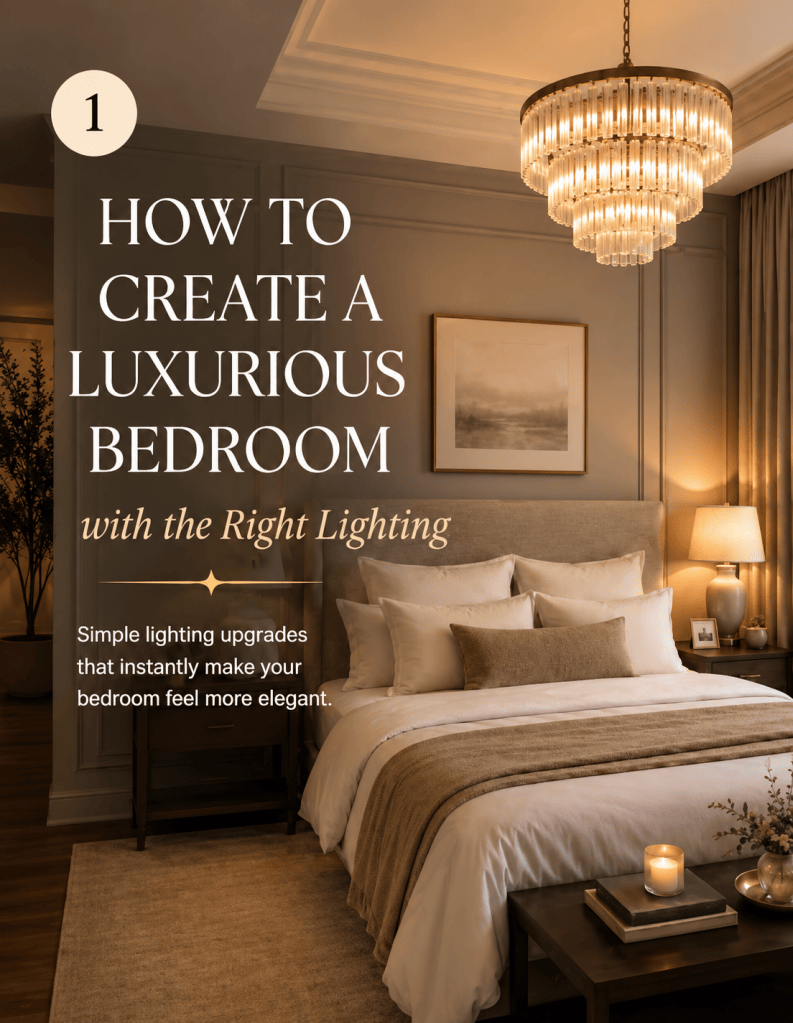
How to Create a Luxurious Bedroom with the Right Lighting

A beautifully designed bedroom isn’t just about furniture or expensive décor. One of the biggest secrets professional interior designers use is lighting. The right combination of light fixtures can instantly make any bedroom feel warmer, more inviting, and surprisingly luxurious.

Whether you’re decorating a spacious master suite or updating a smaller bedroom, thoughtful lighting choices can completely transform the atmosphere.

Layer Your Lighting

Instead of relying on a single ceiling light, combine different sources of illumination.

A well-designed bedroom typically includes:

  • Ambient lighting for overall brightness
  • Task lighting for reading or getting ready
  • Accent lighting to highlight architectural details or décor

Layering light creates depth and makes the room feel professionally designed.

Choose Warm Light

Color temperature has a huge impact on comfort.

Warm white bulbs (around 2700K–3000K) create a relaxing environment that’s perfect for winding down in the evening. Cooler lights may work well in offices, but they often make bedrooms feel less inviting.

Upgrade Your Bedside Lighting

Matching bedside lamps are a timeless choice, but modern wall sconces or hanging pendant lights can instantly elevate the space while saving room on your nightstands.

This simple upgrade gives your bedroom a custom, high-end look.

Add Hidden LED Lighting

One of the easiest ways to create a luxury hotel feel is with indirect lighting.

Consider installing LED strips:

  • Behind the headboard
  • Under floating nightstands
  • Inside shelving
  • Along ceiling coves

Hidden lighting adds a soft glow that feels elegant without being overwhelming.

Install Dimmer Switches

Brightness should change throughout the day.

Dimmers allow you to create bright lighting for cleaning or organizing and soft lighting for relaxing before bed—all using the same fixtures.

Let Natural Light Shine

Natural daylight is part of your lighting design too.

Choose sheer curtains or adjustable blinds that allow sunlight to fill the room while maintaining privacy. During the day, natural light makes every material and color appear richer.

Select Statement Fixtures

A beautiful chandelier, sculptural pendant, or designer ceiling light can become the focal point of the room.

Choose a fixture that complements your style while adding personality to the space.

Keep It Balanced

Luxury doesn’t mean adding more lights—it means placing them intentionally.

Symmetry, consistent color temperatures, and balanced illumination create a calm, sophisticated atmosphere that feels curated rather than cluttered.

Final Thoughts

Creating a luxurious bedroom doesn’t require a complete renovation. By layering your lighting, choosing warm tones, and incorporating elegant fixtures, you can dramatically improve both the appearance and comfort of your space.

If you’re looking for more inspiration, be sure to read our guide: 10 Smart Lighting Ideas for Small Bedrooms, where you’ll find practical lighting solutions designed specifically for compact spaces.

Love these tips? Follow us on Instagram @CozyGlowLifestyle for more home, style & lifestyle inspiration.

10 Smart Lighting Ideas for Small Bedrooms That Make Any Space Feel Bigger

Simple lighting tricks to create a brighter, cozier, and more spacious bedroom.

Lighting Can Completely Transform a Small Bedroom

A small bedroom doesn’t have to feel dark or cramped. The right lighting can make even the tiniest space feel brighter, more inviting, and surprisingly spacious.

Whether you’re decorating your first apartment, refreshing your guest room, or simply looking for affordable ways to upgrade your bedroom, thoughtful lighting choices can make a dramatic difference.

Here are ten smart lighting ideas that combine style, comfort, and functionality for small bedrooms.

1. Choose Warm White Lighting

Warm white bulbs (around 2700K–3000K) create a relaxing atmosphere that’s perfect for bedrooms. Unlike cool white lighting, warm tones make the room feel cozy and comfortable while adding a touch of elegance.

2. Install Wall Sconces Instead of Table Lamps

Wall-mounted sconces free up valuable nightstand space while providing beautiful ambient lighting. They’re an excellent solution for compact bedrooms where every inch counts.

3. Add LED Strip Lights Behind the Headboard

Hidden LED strip lights create a soft glow that adds depth to the room without overwhelming the space. They also make the bedroom feel more modern and luxurious.

4. Use Mirrors to Reflect Natural and Artificial Light

A well-placed mirror can instantly brighten a room by reflecting both daylight and lamps. This simple decorating trick creates the illusion of a much larger bedroom.

5. Layer Different Types of Lighting

Instead of relying on one ceiling light, combine ambient, task, and accent lighting.

For example:

• Ceiling light

• Bedside lamp

• LED accent lighting

• Reading light

Layered lighting makes the room more functional and visually interesting.

6. Choose Pendant Lights for a Modern Look

Hanging pendant lights beside the bed are stylish and practical. They save space while creating a sophisticated hotel-inspired atmosphere.

7. Use Dimmable Lighting

Dimmable lights allow you to adjust brightness throughout the day. Bright lighting works well while getting ready, while softer lighting helps create a relaxing evening routine.

8. Highlight Decorative Features

Accent lighting can draw attention to artwork, floating shelves, plants, or decorative wall panels. Even a small bedroom feels professionally designed when certain elements are softly illuminated.

9. Keep Lamps Simple and Minimalist

Oversized lamps can overwhelm a small room. Slim, minimalist designs keep the space feeling open while still providing plenty of light.

Neutral colors like white, black, brass, or natural wood complement almost any bedroom style.

10. Incorporate Smart Lighting

Smart bulbs make it easy to control brightness, schedules, and even color temperature using your phone or voice assistant.

They’re convenient, energy-efficient, and perfect for creating different moods throughout the day.

Final Thoughts

Great lighting isn’t just about seeing better—it’s about creating a space that feels comfortable, peaceful, and welcoming.

Small bedrooms benefit even more from thoughtful lighting because every design choice has a bigger visual impact.

Whether you start with a warm bedside lamp, elegant wall sconces, or subtle LED lighting, small upgrades can completely transform your bedroom without requiring a major renovation.

With the right lighting, even the smallest bedroom can feel bright, stylish, and inviting.

Frequently Asked Questions

What is the best lighting color for a bedroom?

Warm white lighting between 2700K and 3000K creates a cozy and relaxing atmosphere that’s ideal for bedrooms.

How can I make my small bedroom look bigger with lighting?

Use layered lighting, mirrors, warm white bulbs, and wall-mounted fixtures to create depth and make the room feel more spacious.

Are LED lights good for bedrooms?

Yes. LED lights are energy-efficient, long-lasting, and available in many brightness levels and color temperatures, making them an excellent choice for bedroom lighting.